World Event · Other

1968 Polish political crisis

@1968polishpoliticalcrisis

Explore the key events of the 1968 Polish political crisis, a pivotal moment in history. Discover the timeline and its impact on Poland.

14Events
2Years
1967
1968
1969
Apr 1967
May
Jun
Jul
Aug
Sep
Oct
Nov
Dec
Feb
Mar
Apr
May
Jun
Jul
Aug
Sep
Oct
Nov
Dec
Feb
Mar
01januari
1969
01 januari 1969

Forced emigration of Polish Jews becomes one of the crisis’s lasting outcomes

In the months following March 1968, and continuing into 1969 and beyond, thousands of Polish citizens of Jewish origin were pressured to leave the country through dismissals, intimidation, passport restrictions, and demands that they renounce Polish citizenship. This exodus was one of the most consequential legacies of the political crisis. It depleted universities, journalism, culture, and state institutions of experienced figures and left enduring personal and communal trauma. The emigration wave also reshaped global memory of communist Poland, because the March events came to signify not only student rebellion but also a state-directed anti-Semitic purge that ended the postwar hopes of many Jewish survivors and their families.

08september
1968
08 september 1968

Ryszard Siwiec sets himself on fire in Warsaw to protest repression and the invasion

During the national harvest festival at Warsaw’s 10th-Anniversary Stadium, Ryszard Siwiec carried out an act of self-immolation in protest against the invasion of Czechoslovakia and the broader moral collapse of the communist system. His protest came in the aftermath of Poland’s March crackdown and symbolized a continuity between domestic repression and foreign intervention. Although the authorities tried to suppress information about his act, it later became one of the starkest individual testimonies of resistance in 1968. In the context of the Polish political crisis, Siwiec’s sacrifice underscored how deeply the year’s events had radicalized private conscience and revealed the limits of official silence.

20augustus
1968
20 augustus 1968

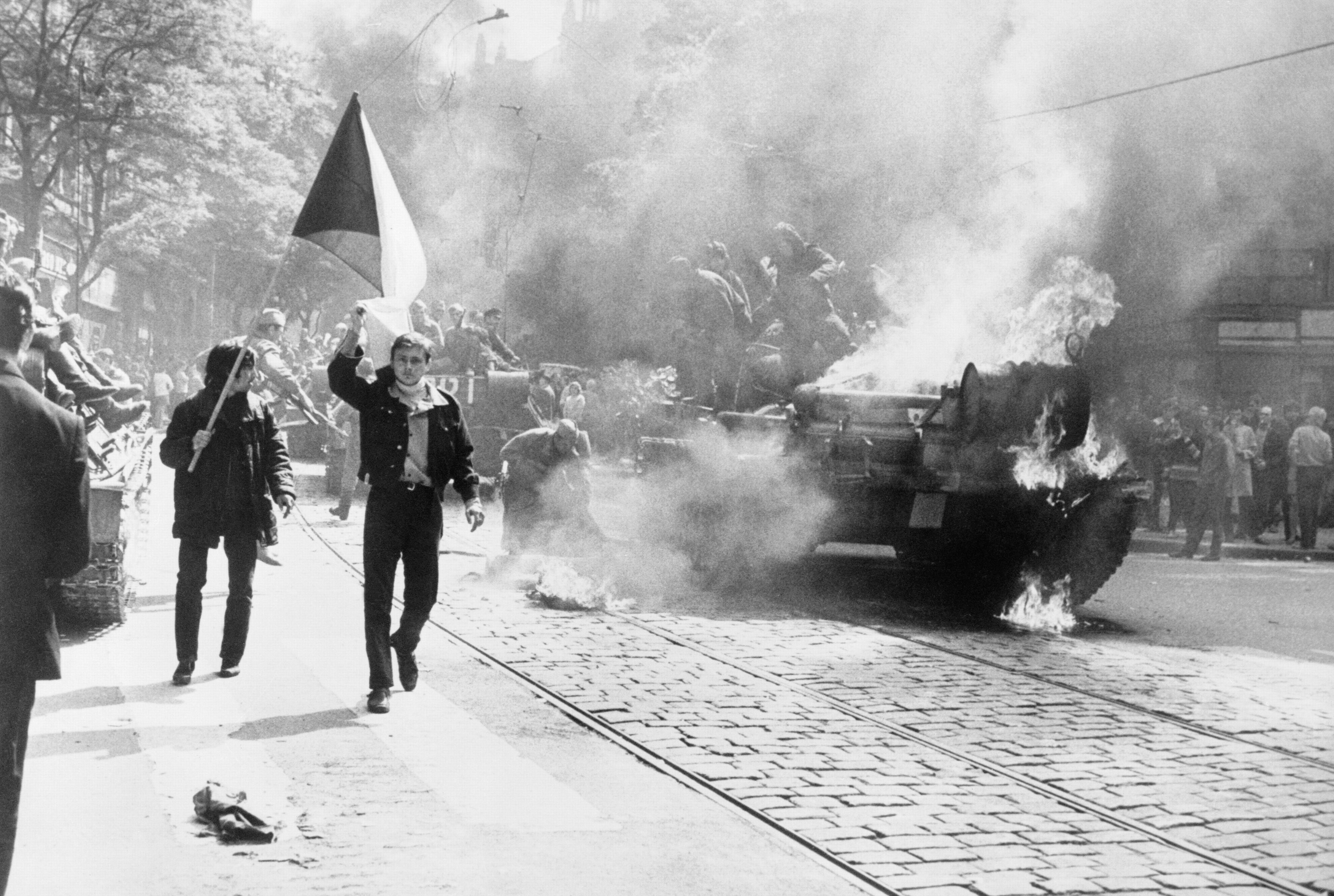
Polish troops join the Warsaw Pact invasion of Czechoslovakia

On the night of 20–21 August 1968, Poland participated in the Warsaw Pact invasion of Czechoslovakia, sending troops as part of the operation that crushed the Prague Spring. Although this was an international event, it formed a significant milestone in the broader 1968 Polish crisis because it confirmed the regime’s hard-line trajectory after March. The same authorities who had suppressed domestic dissent now helped suppress reform abroad, reinforcing the message that no liberalization would be tolerated within the Soviet bloc. For many Polish intellectuals and students, the invasion deepened disillusionment and linked the March repression at home to a larger system of authoritarian control across Eastern Europe.

22april
1968
22 april 1968

Arrest campaign blocks renewed student actions and effectively ends the protest wave

By late April 1968, the authorities had moved from open street repression to preventive neutralization. Planned student actions were thwarted by arrests and security operations in Warsaw, Kraków, and Wrocław, depriving the movement of leadership and momentum. This moment is important because it marks the effective end of the active protest phase of the 1968 Polish political crisis, even though the broader anti-Semitic campaign continued. The regime had managed to suppress visible dissent, but only by revealing the extent of police surveillance, party manipulation, and institutional coercion. In historical retrospect, the silencing of the protests helped create a generation of future opposition activists shaped by the lessons of March.

19maart
1968
19 maart 1968

Gomułka’s major speech hardens the regime’s line and legitimizes the purge

In a major speech in Warsaw on 19 March, Władysław Gomułka denounced the student movement, rejected meaningful dialogue, and explicitly tied the unrest to people of Jewish origin and alleged revisionist enemies. The speech is widely regarded as the moment when the state’s response was fully codified: repression would continue, anti-Semitic insinuation would be official, and concessions would be minimal. Rather than calming the country, the address deepened the moral and political rupture. It also legitimized expulsions from party, university, military, media, and cultural institutions, accelerating a purge that affected thousands and permanently scarred postwar Polish public life.

13maart
1968
13 maart 1968

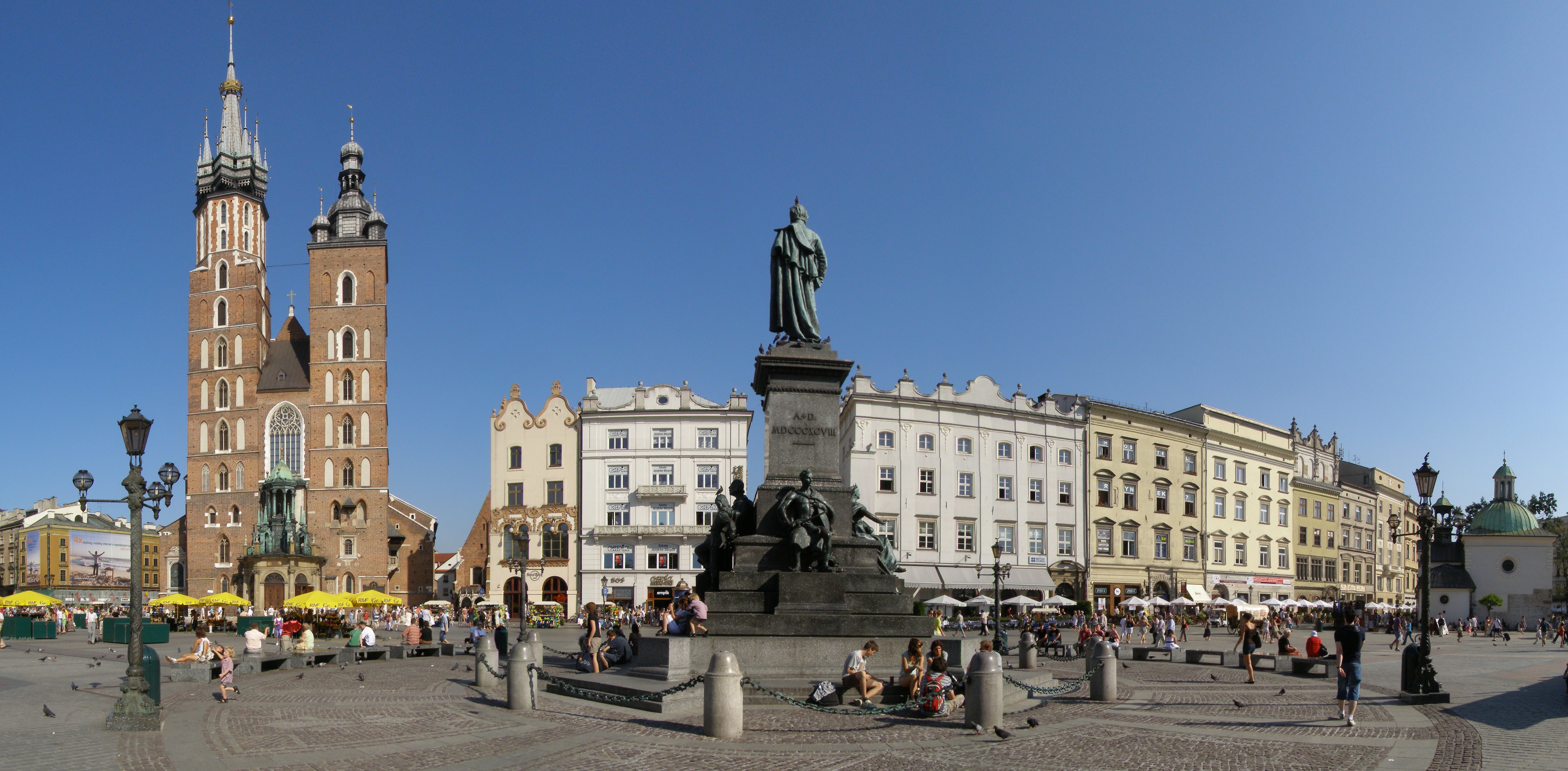
Large demonstrations in Kraków show the March crisis has become nationwide

On 13 March several thousand students gathered in Kraków, including near the student dormitories, while similar protests and strikes were appearing in other Polish cities. The spread of unrest beyond Warsaw marked a decisive turning point. What had begun around one theater production and one university was now a nationwide confrontation over censorship, police violence, and the future of public life under communist rule. The authorities responded with more arrests and force, but the Kraków demonstrations proved that the crisis was not merely local or manipulated by a small circle. They exposed the depth of alienation among educated youth and widened the symbolic importance of March 1968 in Polish memory.

11maart
1968
11 maart 1968

A student committee forms in Warsaw as protests spread beyond the capital

By 11 March, students in Warsaw had begun forming organized committees to coordinate demands, circulate information, and maintain solidarity in the face of arrests and beatings. The emergence of a student committee showed that the movement was not collapsing after the first crackdown; instead, it was becoming more structured. At the same time, protests and solidarity actions spread to other academic centers, demonstrating that grievances over censorship and police violence resonated nationally. This organizational step was an important milestone because it transformed outrage into sustained political action and forced the regime to confront a broader, networked challenge from universities across Poland.

09maart
1968
09 maart 1968

The state press reframes the unrest as a Zionist-provoked conspiracy

Within a day of the Warsaw University crackdown, official newspapers and party-controlled media began portraying the demonstrations not as a protest against censorship and repression but as a hostile plot by “Zionists,” revisionists, and enemies of socialism. This propaganda turn was crucial because it shifted the crisis from a student dispute into a state-sponsored campaign against Polish Jews and the intelligentsia. By using anti-Semitic language under the cover of anti-Zionism, the authorities sought to fracture public sympathy, mobilize loyalists, and settle internal party struggles. The press offensive became one of the defining features of the March crisis and prepared the ground for dismissals, interrogations, and forced emigration.

08maart
1968
08 maart 1968

Police and ORMO break up the student rally at Warsaw University

On 8 March 1968 students gathered in the courtyard of Warsaw University to protest the expulsions and demand civil and academic freedoms. The rally was violently broken up by the Citizens’ Militia and ORMO paramilitary volunteers, who beat and detained demonstrators. The brutality of the assault transformed a campus protest into a national political crisis. News of the attack spread quickly, convincing many observers that the authorities would answer peaceful dissent only with force and propaganda. The repression also gave the party leadership a pretext to broaden its campaign against so-called revisionists and “Zionists,” escalating both the political confrontation and the anti-Semitic purge.

19februari
1968
19 februari 1968

Warsaw University expels Adam Michnik and Henryk Szlajfer

After the January protest campaign, Warsaw University authorities expelled students Adam Michnik and Henryk Szlajfer for their role in opposition activity connected to the “Dziady” affair and public criticism of censorship. Their expulsion was intended as a warning and as a means of isolating activist networks, but it had the opposite effect. It became a rallying cause for fellow students, who saw the punishment as arbitrary and political rather than academic. The decision directly set the stage for the mass meeting planned for early March, turning a dispute over a play into a wider defense of civil dignity, university autonomy, and freedom of expression.

30januari
1968
30 januari 1968

Last performance of “Dziady” sparks a march to the Mickiewicz monument

The eleventh and final staging of “Dziady” took place on 30 January 1968. After the performance, students and supporters left the National Theatre and marched to the Adam Mickiewicz monument in Warsaw, chanting in defense of the play and denouncing censorship. This demonstration turned a cultural grievance into an overt political act in public space. It also revealed that opposition was no longer confined to literary circles, since students were willing to test the boundaries of tolerated dissent. The march became one of the most recognizable opening scenes of the March events and showed the regime that the crisis was becoming harder to contain.

16januari
1968
16 januari 1968

Authorities order “Dziady” removed from the National Theatre repertoire

In mid-January 1968 the authorities informed the National Theatre that Dejmek’s “Dziady” would be taken off the stage, with the final performance scheduled for the end of the month. The decision reflected official alarm at the public response to the production and at the play’s perceived anti-Soviet overtones. The censorship order mattered far beyond the arts: it convinced many students and writers that even carefully coded patriotic expression was no longer tolerated. The removal of the play became the immediate trigger for public protest, connecting cultural censorship with wider frustrations over political repression and lack of intellectual freedom.

25november
1967
25 november 1967

Dejmek’s staging of “Dziady” premieres in Warsaw and becomes a political flashpoint

Kazimierz Dejmek’s new production of Adam Mickiewicz’s drama “Dziady” opened at the National Theatre in Warsaw in late 1967. The play’s anti-imperial and anti-Russian resonances were immediately legible to audiences living under Soviet dominance, and performances drew emotionally charged reactions. What began as a cultural event soon became politically explosive, because the authorities feared the production was encouraging coded criticism of censorship and dependence on Moscow. The premiere therefore marked the cultural starting point of the crisis, showing how literature and theater could become a vehicle for broader dissent in communist Poland.

19juni
1967
19 juni 1967

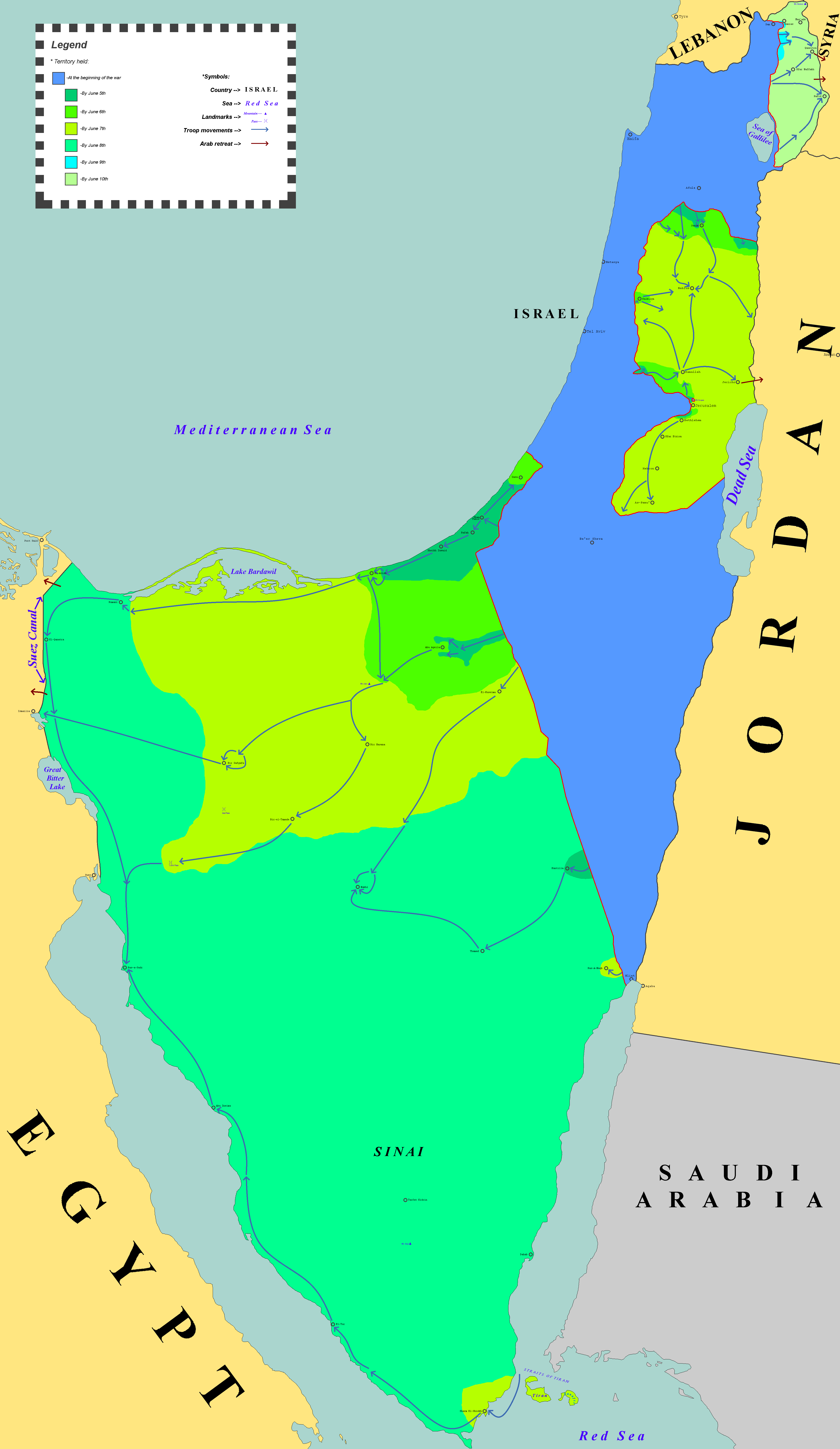
Gomułka links loyalty to the Middle East crisis and opens an official anti-Zionist line

At the Trade Unions Congress in Warsaw, First Secretary Władysław Gomułka responded to the aftermath of the Six-Day War by warning against a supposed domestic “fifth column” sympathetic to Israel. Although framed as anti-Zionism, the speech created an official language that party hard-liners could use against Polish citizens of Jewish origin, reform-minded intellectuals, and internal rivals. Historians treat this moment as an essential prelude to the 1968 Polish political crisis because it transformed international tensions into a domestic campaign of suspicion, purges, and propaganda that would intensify once student unrest broke out the following year.

Frequently asked questions about 1968 Polish political crisis

Discover commonly asked questions regarding 1968 Polish political crisis. If there are any questions we may have overlooked, please let us know.

What were the key events during the 1968 Polish political crisis?

What is the legacy of the 1968 Polish political crisis?

What was the significance of the 1968 Polish political crisis?

What were the main causes of the 1968 Polish political crisis?